
Best SD Cards For Bambu Lab P1S
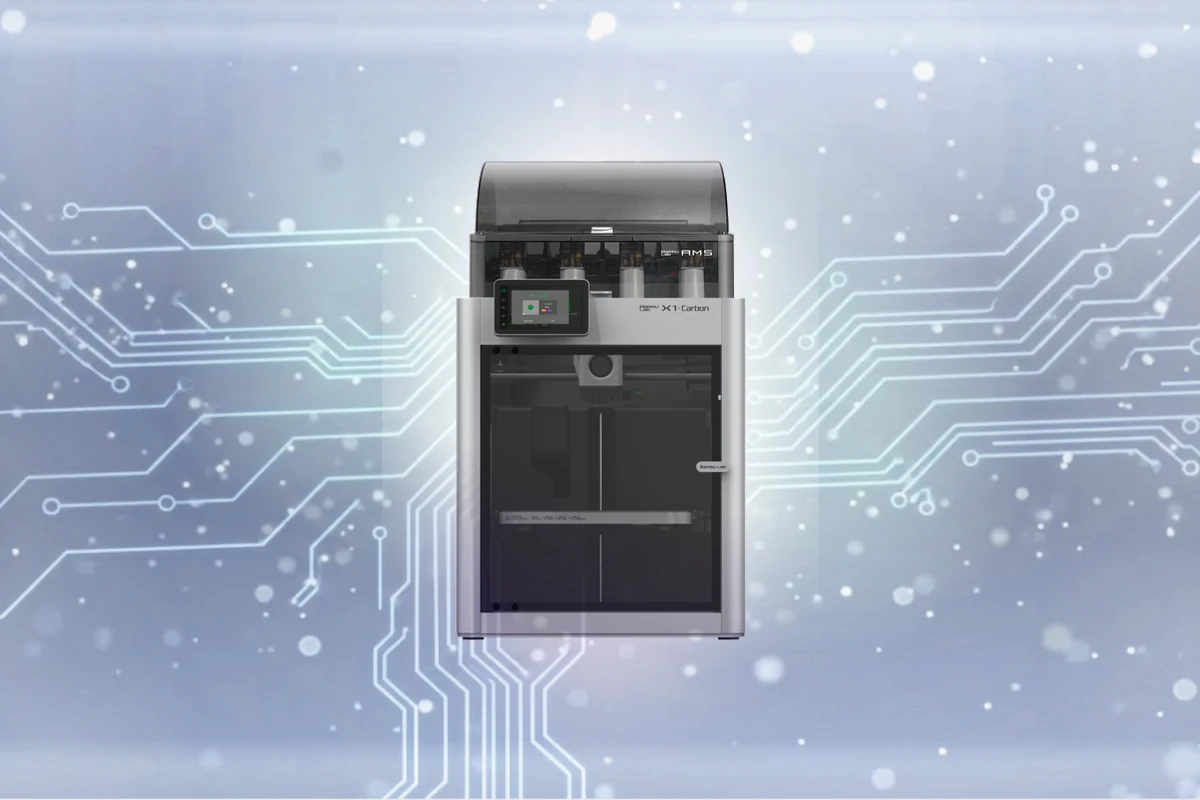
Expert recommendations based on Bambu Lab X1-Carbon specifications
Recommended Spec
microSD (UHS-I) (Class 10 / U1 or faster)
The X1-Carbon reads your sliced 3MF/G-code from the microSD card and writes timelapse frames and logs back to it during the print.
Contains affiliate link
#1 Top Pick for Bambu Lab X1-Carbon
View Top Recommendation
Check Price
Official Bambu Lab X1-Carbon SD Card Requirements
-
Format: microSD (UHS-I)
-
Minimum Speed: Class 10 / U1 (10 MB/s write)
-
Maximum Capacity: Up to 1TB (FAT32)
Why these requirements? The X1-Carbon reads your sliced 3MF/G-code from the microSD card and writes timelapse frames and logs back to it during the print. The bottleneck here is not raw speed — it's reliability and data integrity. A single corrupt block on a cheap or worn card can stall or abort a multi-hour, multi-color AMS print that has already burned through real filament. Bambu ships the printer with a card and recommends formatting as FAT32; a name-brand A1/A2 card from SanDisk or Samsung in the 32-64GB range is the reliable sweet spot. Capacity is almost irrelevant (print files are only a few MB to tens of MB) — pay for a trustworthy card, not a huge one.
Detailed Specifications
Type
microSD (UHS-I)
Min Speed Class
Class 10 / U1
Write Speed
10 MB/s
Recommended Size
32GB, 64GB
Max Capacity
1TB (FAT32)
Top SD Card Recommendations
This website contains affiliate links. We may earn a small commission when you purchase through our links at no extra cost to you.
| SD Card | Verified | Speed Class | Write Speed | Pros | Price |
|---|---|---|---|---|---|
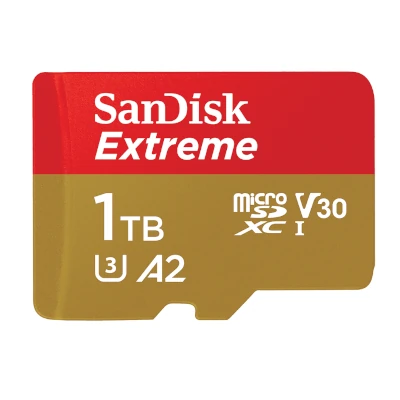
SanDisk Extreme microSD
|
V30 | Up to 130 MB/s |
|
$ Check Price | |
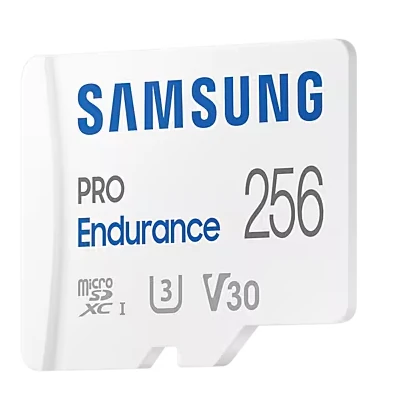
Samsung EVO Select (Blue)
|
V30 | Up to 60 MB/s |
|
$ Check Price | |
|
SanDisk Ultra microSD
|
C10 | Up to 20 MB/s |
|
$ Check Price |
Featured Products on Amazon
This website contains affiliate links. We may earn a small commission when you purchase through our links at no extra cost to you.

Kingston Canvas Go Plus 128GB microSD Card | Up to 200MB/s | Class 10, UHS-I, U3, V30, A2 | SDCG4/128GB
$Check Price
View on Amazon

Kingston Canvas Go Plus 64GB microSD Card | Up to 200MB/s | Class 10, UHS-I, U3, V30, A2 | SDCG4/64GB
$Check Price
View on Amazon

SANDISK 128GB Extreme microSD UHS-I Card - Up to 245MB/s Read Speed and 120MB/s Write Speed, 5.3K Video, 4K UHD Video, high-Performance for Action cams, Drones, Android Devices - SDSQXH9-128G-GZ6MA
$Check Price
View on Amazon
Frequently Asked Questions
What SD Card Do I Need for Bambu Lab X1-Carbon?
The Bambu Lab X1-Carbon requires a microSD (UHS-I) card with Class 10 / U1 speed rating for reliable performance. We recommend 64GB capacity as the sweet spot balancing storage capacity with affordability. The device supports up to 1TB (FAT32), though most users find 64GB sufficient for daily use. Always choose from trusted brands like SanDisk, Lexar, or Kingston to ensure consistent performance and avoid data loss.
Why did my Bambu X1-Carbon fail mid-print or say it can't read the file?
The most common culprit is a cheap, counterfeit, or worn-out microSD card. The X1C reads the print file and writes timelapse/log data to the card, so a flaky card causes 'failed to load file' errors and mid-print stalls. Reformat as FAT32 and switch to a genuine SanDisk or Samsung card before blaming the printer.
What size microSD card does the X1-Carbon need?
32GB is plenty — sliced print files are only a few megabytes to tens of megabytes each. A 64GB card gives headroom for timelapses. Bambu recommends FAT32 formatting, which is simplest on cards up to 32GB; larger cards work but should be reformatted to FAT32 rather than the default exFAT.
Do I need a fast U3/V30 card for the X1-Carbon?
No. The X1C doesn't stream video to the card, so a standard Class 10 / U1 card is sufficient. Prioritize a reputable brand and the A1/A2 app-performance rating for reliability over a high V-class number. Speed ratings matter for cameras; integrity matters for 3D printers.
Is Class 10 / U1 required for Bambu Lab X1-Carbon?
Yes, Class 10 / U1 is recommended for Bambu Lab X1-Carbon. It guarantees a minimum sustained write speed of 10 MB/s, which is necessary for stable recording without dropped frames or errors.
What storage capacity should I get for Bambu Lab X1-Carbon?
We recommend 32GB or 64GB cards. A 32GB card is good for typical use, with 1TB (FAT32) as the maximum supported capacity. Larger sizes are useful if you shoot frequently and want to minimize card swaps.
Can I use older or slower cards with Bambu Lab X1-Carbon?
Not recommended. Cards slower than Class 10 / U1 may cause dropped frames, corrupted files, or recording failures. Always use Class 10 / U1 minimum for reliability.
Do I need a UHS card for Bambu Lab X1-Carbon?
UHS cards are recommended for best performance with Bambu Lab X1-Carbon. Non-UHS cards will work but may have slower transfer speeds. For this device, UHS-II is optimal.
Does the brand matter for Bambu Lab X1-Carbon?
Yes, trusted brands like SanDisk, Lexar, and Kingston are recommended. Quality brands have better reliability and warranty support. Avoid unknown brands, especially for demanding devices.
What happens if I use the wrong card with Bambu Lab X1-Carbon?
Using cards slower than Class 10 / U1 can cause: dropped frames during recording, corrupted files, or complete recording failure. Stick to Class 10 / U1 minimum to avoid data loss.
How long will an SD card last with Bambu Lab X1-Carbon?
Quality SD cards typically last 3-5 years with normal use. Replace your card if you experience read/write errors, corrupted files, or if it's been dropped or exposed to extreme conditions.