
Best SD Cards For Google Pixel 8 / 8 Pro
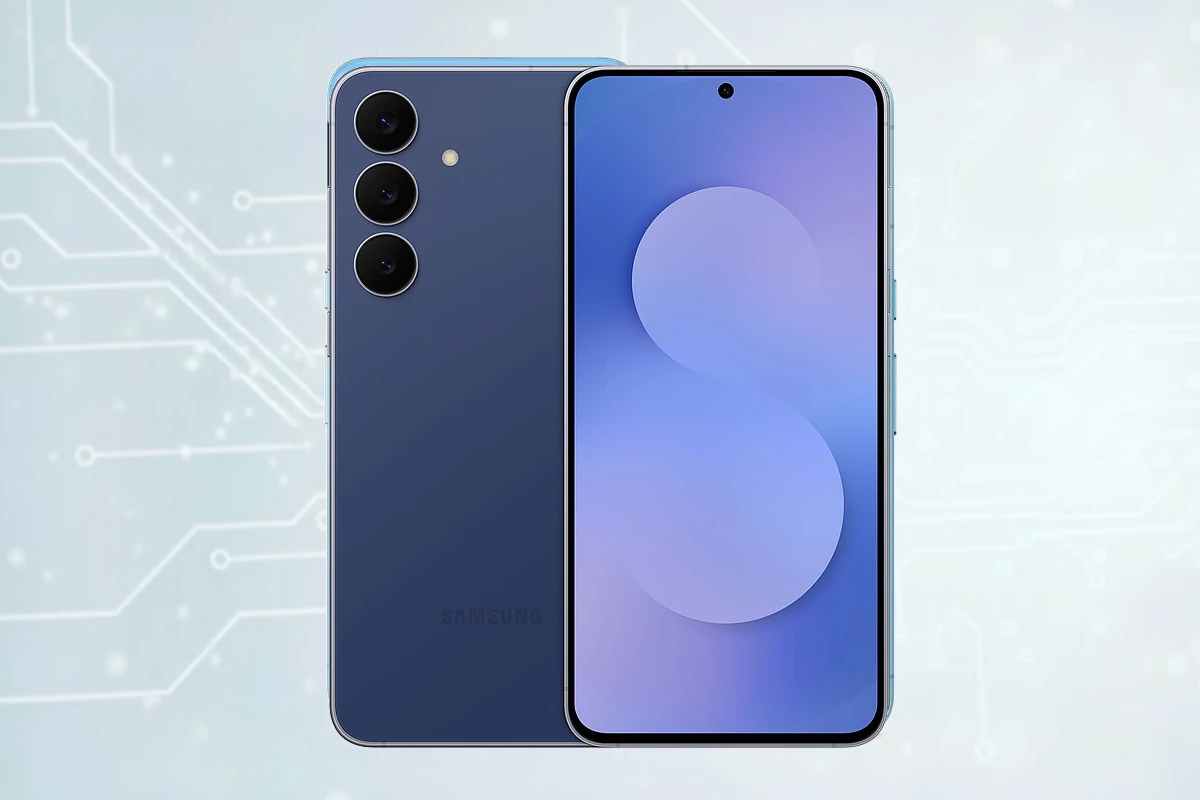
Expert recommendations based on Samsung Galaxy S23 / S23+ specifications
Recommended Spec
External via USB-C Reader (no slot)
With a USB-C reader, you can store and transfer more photos and videos on your Galaxy S23, keeping them organized and easily accessible on the go. This means you can keep your favorite memories and moments just a tap away.
Contains affiliate link
#1 Top Pick for Samsung Galaxy S23 / S23+
View Top Recommendation
Check Price
Official Samsung Galaxy S23 / S23+ SD Card Requirements
-
Format: External via USB-C Reader (no slot)
-
Minimum Speed: No minimum required (N/A write)
-
Maximum Capacity: Up to N/A (no built-in slot)
Why these requirements? The Samsung Galaxy S23 does not have a microSD card slot. Samsung removed expandable storage from the Galaxy S series starting with the S21. An external USB-C card reader is required for SD card access.
Detailed Specifications
Type
External via USB-C Reader (no slot)
Min Speed Class
No minimum required
Write Speed
N/A
Recommended Size
64GB, 128GB
Max Capacity
N/A (no built-in slot)
Top SD Card Recommendations
This website contains affiliate links. We may earn a small commission when you purchase through our links at no extra cost to you.
| SD Card | Verified | Speed Class | Write Speed | Pros | Price |
|---|---|---|---|---|---|
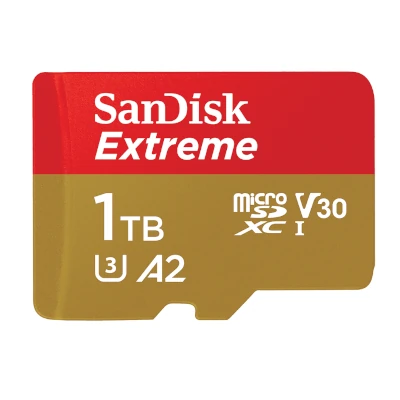
SanDisk Extreme microSD
Full Review
|
V30 | Up to 130 MB/s |
|
$ Check Price | |
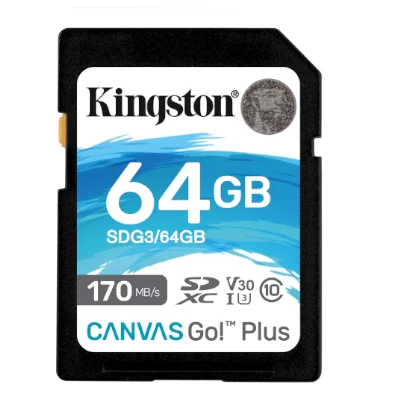
Kingston Canvas Go! Plus
|
V30 | Up to 90 MB/s |
|
$ Check Price |
Compare These Cards
Open in full compare toolSee how the recommended cards for Samsung Galaxy S23 / S23+ stack up side by side, or swap in any other card.
recommended
View on Amazon
SanDisk Extreme microSD
$ · Mid-Range- UHS RatingUHS-I
- Speed ClassV30
- App PerformanceA2
- Read SpeedUp to 190 MB/s
- Write SpeedUp to 130 MB/s
- EnduranceStandard
Available Capacities32GB, 64GB, 128GB, 256GB, 512GB, 1024GB, 1500GB
Pros
- The gold standard. Fast
- reliable
- A2 rated
- and widely available.
Cons
- Write speeds are slower on 32GB/64GB capacities.
recommended
View on Amazon
Kingston Canvas Go! Plus
$ · Mid-Range- UHS RatingUHS-I
- Speed ClassV30
- App PerformanceA2
- Read SpeedUp to 170 MB/s
- Write SpeedUp to 90 MB/s
- EnduranceStandard
Available Capacities64GB, 128GB, 256GB, 512GB
Pros
- Fantastic performance. Often includes a fast reader.
Cons
- Harder to find in retail stores than SanDisk.
Add a card to compare
SanDisk Extreme microSD
The SanDisk Extreme microSD is the best-selling microSD card on Amazon, pairing V30 video speed with A2 app performance and read speeds up to 190 MB/s. It's a dependable all-rounder for 4K recording, app storage, and everyday file transfers, with capacities ranging from 32GB up to 1TB.
Target User:
Smartphone, drone, and action camera users who want one reliable card for both 4K video and app storage
Best For:
Action Cameras, Drones, Smartphones & Tablets, Mirrorless Cameras
Step up to the SanDisk Extreme PRO for higher sustained write speeds, or down to the Samsung EVO Select if 4K recording isn't a priority and price matters more.
Featured Products on Amazon
This website contains affiliate links. We may earn a small commission when you purchase through our links at no extra cost to you.

Kingston Canvas Go Plus 128GB microSD Card | Up to 200MB/s | Class 10, UHS-I, U3, V30, A2 | SDCG4/128GB
$Check Price
View on Amazon

Kingston Canvas Go Plus 64GB microSD Card | Up to 200MB/s | Class 10, UHS-I, U3, V30, A2 | SDCG4/64GB
$Check Price
View on Amazon

SANDISK 128GB Extreme microSD UHS-I Card - Up to 245MB/s Read Speed and 120MB/s Write Speed, 5.3K Video, 4K UHD Video, high-Performance for Action cams, Drones, Android Devices - SDSQXH9-128G-GZ6MA
$Check Price
View on Amazon
Frequently Asked Questions
What SD Card Do I Need for Samsung Galaxy S23 / S23+?
The Samsung Galaxy S23 / S23+ requires a External via USB-C Reader (no slot) card with No minimum required speed rating for reliable performance. We recommend 128GB capacity as the sweet spot balancing storage capacity with affordability. The device supports up to N/A (no built-in slot), though most users find 128GB sufficient for daily use. Always choose from trusted brands like SanDisk, Lexar, or Kingston to ensure consistent performance and avoid data loss.
Does the Samsung Galaxy S23 have a microSD card slot?
No, the Samsung Galaxy S23 does not have a microSD card slot. Samsung removed expandable storage from the Galaxy S series starting with the Galaxy S21 in 2021. The S23, S23+, and S23 Ultra all lack a microSD slot. If you need to access an SD card with your Galaxy S23, you will need an external USB-C card reader. For long-term storage expansion, cloud services like Google Photos or Samsung Cloud are the practical alternative.
Should I buy a higher storage tier since the S23 can't be expanded later?
Yes — this matters more on the S23 than on Samsung's older expandable-storage phones. Since there's no microSD slot to add capacity after purchase, choosing 256GB over the base 128GB up front is worth the extra cost if you shoot a lot of photos or 4K video, rather than relying on a USB-C reader for everyday storage.
What storage capacity should I get for Samsung Galaxy S23 / S23+?
We recommend 64GB or 128GB cards. A 64GB card is good for typical use, with N/A (no built-in slot) as the maximum supported capacity. Larger sizes are useful if you shoot frequently and want to minimize card swaps.
Can I use slower budget cards with Samsung Galaxy S23 / S23+?
Yes, any microSD card works with Samsung Galaxy S23 / S23+. It doesn't require high-speed cards. Cheaper, slower cards will work fine, though No minimum required cards offer better reliability.
Does the brand matter for Samsung Galaxy S23 / S23+?
Yes, trusted brands like SanDisk, Lexar, and Kingston are recommended. Quality brands have better reliability and warranty support. Avoid unknown brands, especially for demanding devices.
How long will an SD card last with Samsung Galaxy S23 / S23+?
Quality SD cards typically last 3-5 years with normal use. Replace your card if you experience read/write errors, corrupted files, or if it's been dropped or exposed to extreme conditions.