
Best SD Cards For DJI Avata 2
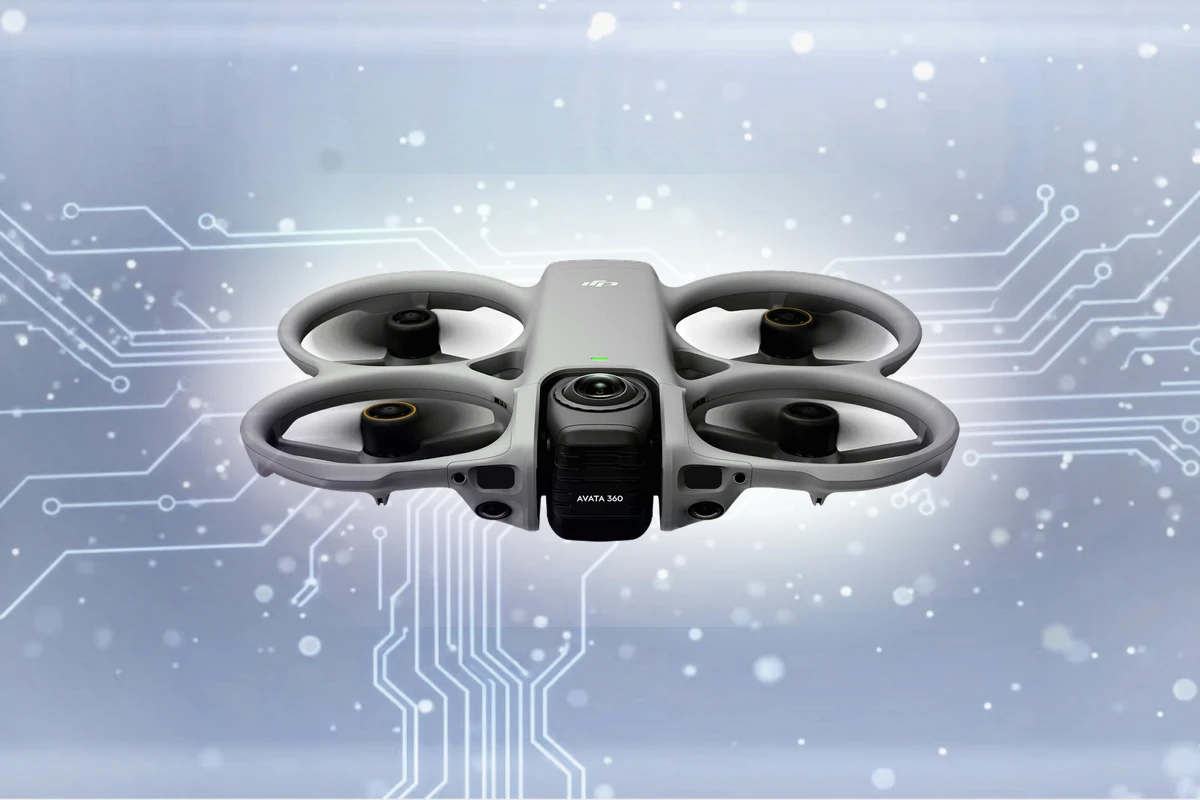
Expert recommendations based on DJI Avata 360 specifications
Recommended Spec
microSD UHS-I (V30 (V60 recommended for thermal margin) or faster)
The Avata 360 records up to 8K (360°) at 60fps with a max video bitrate of 180Mbps, well above what the original Avata 2 demands.
Contains affiliate link
#1 Top Pick for DJI Avata 360
View Top Recommendation
Check Price
Official DJI Avata 360 SD Card Requirements
-
Format: microSD UHS-I
-
Minimum Speed: V30 (V60 recommended for thermal margin) (30 MB/s minimum, 60 MB/s recommended write)
-
Maximum Capacity: Up to 512GB
Why these requirements? The Avata 360 records up to 8K (360°) at 60fps with a max video bitrate of 180Mbps, well above what the original Avata 2 demands. Because the camera module sits inside a tightly enclosed cinewhoop-style body with limited airflow, the card runs hotter than in open-frame drones — sustained write speed margin matters more here than raw capacity. A V30 card is the official floor, but V60 gives headroom against thermal throttling so a mid-flight recording doesn't drop out or corrupt.
Detailed Specifications
Type
microSD UHS-I
Min Speed Class
V30 (V60 recommended for thermal margin)
Write Speed
30 MB/s minimum, 60 MB/s recommended
Recommended Size
128GB, 256GB
Max Capacity
512GB
Top SD Card Recommendations
This website contains affiliate links. We may earn a small commission when you purchase through our links at no extra cost to you.
| SD Card | Verified | Speed Class | Write Speed | Pros | Price |
|---|---|---|---|---|---|
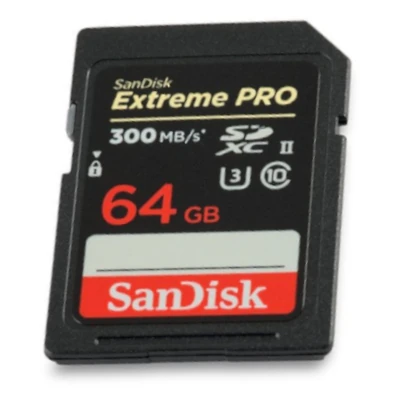
SanDisk Extreme PRO microSD UHS-II
|
V60 | Up to 100 MB/s |
|
$$ Check Price | |
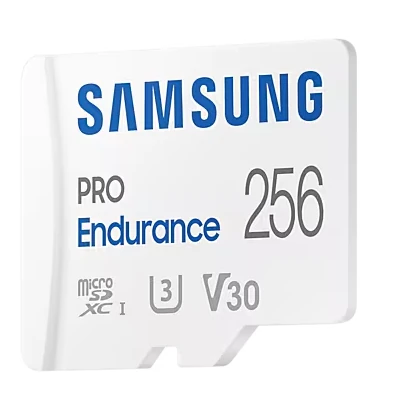
Samsung PRO Plus microSD
|
V30 | Up to 120 MB/s |
|
$ Check Price |
SanDisk Extreme PRO microSD UHS-II
The SanDisk Extreme PRO microSD UHS-II delivers true UHS-II speeds, ideal for capturing and editing high-resolution video and photos in real-time. With read speeds of up to 280 MB/s and write speeds of up to 100 MB/s, this card is perfect for demanding applications like drones, mirrorless cameras, and gaming handhelds. Its V60 speed class and A2 app performance ensure fast and seamless data transfer. Overall, this card is a powerhouse for content creators and videographers.
Target User:
Professional videographers, photographers, and gamers
Best For:
Action Cameras, Drones, Mirrorless Cameras, Gaming Handhelds
While other SD cards may offer slightly lower prices, the SanDisk Extreme PRO microSD UHS-II offers unparalleled performance and reliability, making it a worthwhile investment for users demanding the fastest speeds and seamless data transfer.
Samsung PRO Plus microSD
The Samsung PRO Plus microSD offers excellent performance for 4K video recording, providing seamless playback and smooth editing. Its A2 App Performance Class ensures fast launching of mobile apps and efficient storage. With its durable design and excellent thermal management, users can rely on this microSD for heavy usage. Suitable for professionals and enthusiasts alike.
Target User:
Content creators, photographers, and videographers
Best For:
Action Cameras, Mirrorless Cameras, DSLR Cameras, Smartphones & Tablets
Choose Samsung PRO Plus over competitors with similar V30 speed class for its superior thermal management and reliable durability.
Featured Products on Amazon
This website contains affiliate links. We may earn a small commission when you purchase through our links at no extra cost to you.

Kingston Canvas Go Plus 128GB microSD Card | Up to 200MB/s | Class 10, UHS-I, U3, V30, A2 | SDCG4/128GB
$Check Price
View on Amazon

Kingston Canvas Go Plus 64GB microSD Card | Up to 200MB/s | Class 10, UHS-I, U3, V30, A2 | SDCG4/64GB
$Check Price
View on Amazon

SANDISK 128GB Extreme microSD UHS-I Card - Up to 245MB/s Read Speed and 120MB/s Write Speed, 5.3K Video, 4K UHD Video, high-Performance for Action cams, Drones, Android Devices - SDSQXH9-128G-GZ6MA
$Check Price
View on Amazon
Frequently Asked Questions
What SD Card Do I Need for DJI Avata 360?
The DJI Avata 360 requires a microSD UHS-I card with V30 (V60 recommended for thermal margin) speed rating for reliable performance. We recommend 256GB capacity as the sweet spot balancing storage capacity with affordability. The device supports up to 512GB, though most users find 256GB sufficient for daily use. Always choose from trusted brands like SanDisk, Lexar, or Kingston to ensure consistent performance and avoid data loss.
Why does the Avata 360 need a faster card than the regular Avata 2?
The 360° 8K/60fps mode pushes up to 180Mbps, noticeably higher than the Avata 2's standard 4K bitrate. The card also sits in a more thermally constrained, enclosed body, so a card that only just clears the V30 floor has less margin before heat-related throttling causes dropped frames or a stopped recording.
Is V30 enough, or do I really need V60?
V30 is DJI's official minimum and will work for most flights. V60 is recommended specifically as thermal insurance — enclosed FPV/cinewhoop bodies run hotter than open drones, and a card running near its speed limit in a hot enclosure is the most common cause of corrupted 360° footage.
What capacity should I get for 8K 360° footage?
128GB-256GB covers most flight days comfortably. 360° 8K footage at 180Mbps fills cards faster than standard 4K, but the bigger risk for this drone is heat-related corruption, not running out of space — prioritize a high-endurance V60 card over maxing out capacity.
Is V30 required for DJI Avata 360?
Yes, V30 is recommended for DJI Avata 360. It guarantees a minimum sustained write speed of 30 MB/s minimum, 60 MB/s recommended, which is necessary for stable professional recording without dropped frames or errors.
What storage capacity should I get for DJI Avata 360?
We recommend 128GB or 256GB cards. A 128GB card is good for typical use, with 512GB as the maximum supported capacity. Larger sizes are useful if you shoot frequently and want to minimize card swaps.
Can I use older or slower cards with DJI Avata 360?
Not recommended. Cards slower than V30 (V60 recommended for thermal margin) may cause dropped frames, corrupted files, or recording failures. Always use V30 (V60 recommended for thermal margin) minimum for reliability.
Do I need a UHS card for DJI Avata 360?
UHS cards are recommended for best performance with DJI Avata 360. Non-UHS cards will work but may have slower transfer speeds. For this device, UHS-II is optimal.
Should I use more than one card with DJI Avata 360?
For professional use or extended shooting sessions, dual cards provide redundancy and backup. Using multiple cards ensures you won't lose footage if one card fails. This is especially important for valuable recordings.
Does the brand matter for DJI Avata 360?
Yes, trusted brands like SanDisk, Lexar, and Kingston are recommended. Quality brands have better reliability and warranty support. Avoid unknown brands, especially for demanding devices.
What happens if I use the wrong card with DJI Avata 360?
Using cards slower than V30 (V60 recommended for thermal margin) can cause: dropped frames during recording, corrupted files, or complete recording failure. Stick to V30 (V60 recommended for thermal margin) minimum to avoid data loss.
How long will an SD card last with DJI Avata 360?
Quality SD cards typically last 3-5 years with normal use. Replace your card if you experience read/write errors, corrupted files, or if it's been dropped or exposed to extreme conditions.