
Best SD Cards For 1010music Blackbox
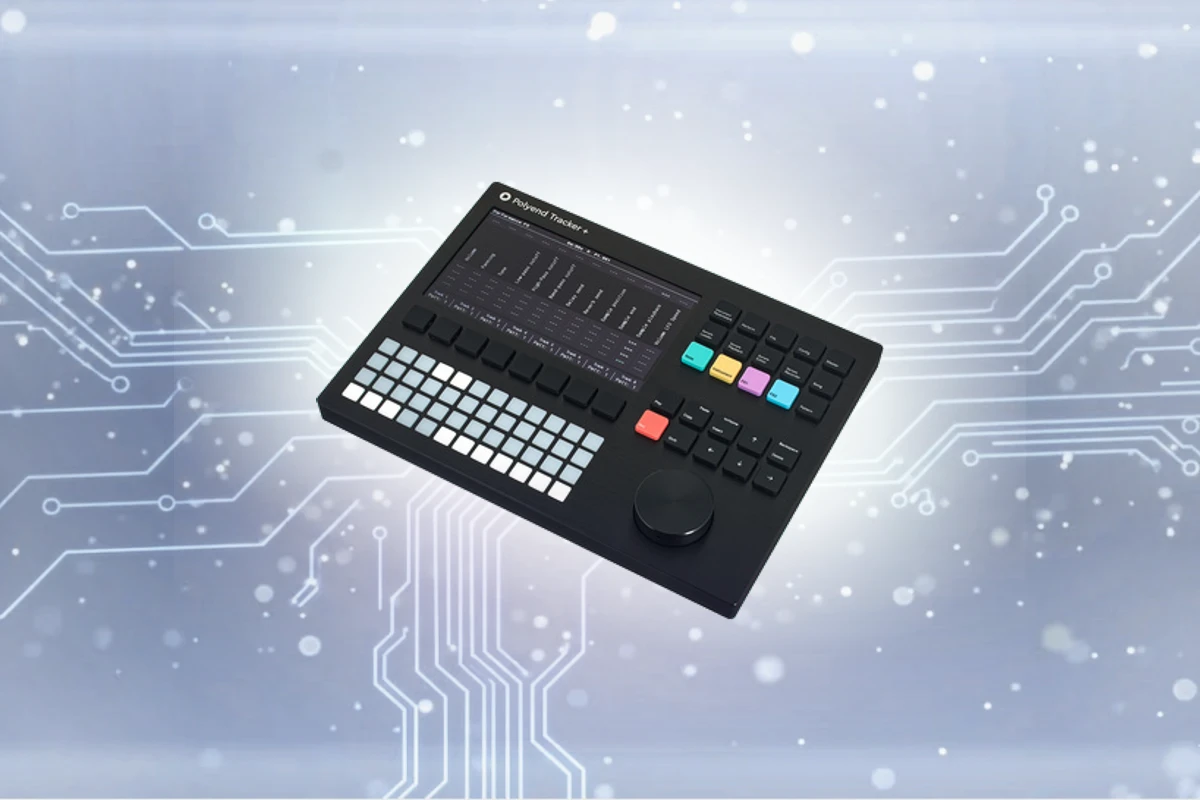
Expert recommendations based on Polyend Tracker+ specifications
Recommended Spec
microSD / microSDHC / microSDXC (FAT32 only) (UHS-I U1 (U3 Recommended) or faster)
The Tracker+ is built around its microSD card — samples, instruments, and projects all live on it, and the device streams samples directly from the card during playback.
Contains affiliate link
#1 Top Pick for Polyend Tracker+
View Top Recommendation
Check Price
Official Polyend Tracker+ SD Card Requirements
-
Format: microSD / microSDHC / microSDXC (FAT32 only)
-
Minimum Speed: UHS-I U1 (U3 Recommended) (30 MB/s write)
-
App Performance: A1 (A2 Recommended) (Required for OS/Apps)
-
Maximum Capacity: Up to 128GB (Officially Tested), 512GB (Reported)
Why these requirements? The Tracker+ is built around its microSD card — samples, instruments, and projects all live on it, and the device streams samples directly from the card during playback. Two things matter: the card must be formatted FAT32 (Polyend specifies a primary FAT32 MBR partition; exFAT is not supported on the original/Mini line), and it should be a quality UHS-I card rated A1/A2 so random reads keep up while a pattern streams multiple sample tracks. Polyend officially tested up to 128GB; larger cards (up to 512GB) are reported to work once formatted FAT32, but 64–128GB is the comfortable, fully-supported range.
Detailed Specifications
Type
microSD / microSDHC / microSDXC (FAT32 only)
Min Speed Class
UHS-I U1 (U3 Recommended)
Write Speed
30 MB/s
Recommended Size
32GB, 64GB, 128GB
Max Capacity
128GB (Officially Tested), 512GB (Reported)
Top SD Card Recommendations
This website contains affiliate links. We may earn a small commission when you purchase through our links at no extra cost to you.
| SD Card | Verified | Speed Class | Write Speed | Pros | Price |
|---|---|---|---|---|---|
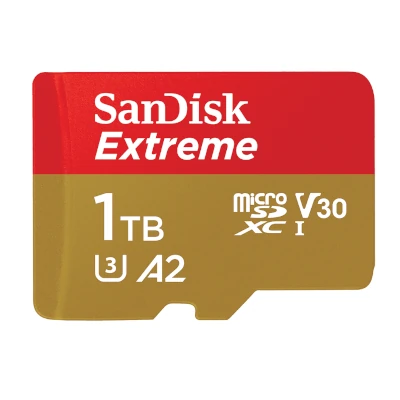
SanDisk Extreme microSD
|
V30 | Up to 130 MB/s |
|
$ Check Price | |
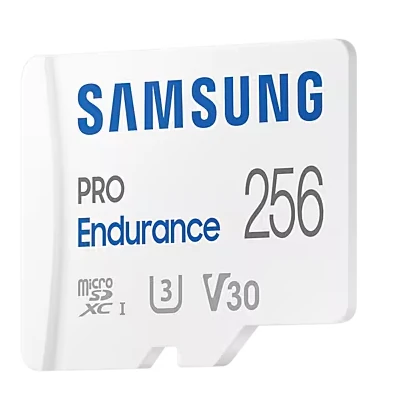
Samsung EVO Select (Blue)
|
V30 | Up to 60 MB/s |
|
$ Check Price | |
|
SanDisk Ultra microSD
|
C10 | Up to 20 MB/s |
|
$ Check Price |
Featured Products on Amazon
This website contains affiliate links. We may earn a small commission when you purchase through our links at no extra cost to you.

Kingston Canvas Go Plus 128GB microSD Card | Up to 200MB/s | Class 10, UHS-I, U3, V30, A2 | SDCG4/128GB
$Check Price
View on Amazon

Kingston Canvas Go Plus 64GB microSD Card | Up to 200MB/s | Class 10, UHS-I, U3, V30, A2 | SDCG4/64GB
$Check Price
View on Amazon

SANDISK 128GB Extreme microSD UHS-I Card - Up to 245MB/s Read Speed and 120MB/s Write Speed, 5.3K Video, 4K UHD Video, high-Performance for Action cams, Drones, Android Devices - SDSQXH9-128G-GZ6MA
$Check Price
View on Amazon
Frequently Asked Questions
What SD Card Do I Need for Polyend Tracker+?
The Polyend Tracker+ requires a microSD / microSDHC / microSDXC (FAT32 only) card with UHS-I U1 (U3 Recommended) speed rating for reliable performance. We recommend 128GB capacity as the sweet spot balancing storage capacity with affordability. The device supports up to 128GB (Officially Tested), 512GB (Reported), though most users find 128GB sufficient for daily use. Always choose from trusted brands like SanDisk, Lexar, or Kingston to ensure consistent performance and avoid data loss.
What format does the Polyend Tracker+ SD card need to be?
FAT32, on a primary MBR partition. Polyend specifies FAT32 — exFAT-formatted cards are not reliably supported. If a card isn't recognized, reformatting it to FAT32 is almost always the fix. Cards larger than 32GB usually need a dedicated FAT32 tool (Windows won't format big cards to FAT32 by default).
What is the maximum SD card size for the Polyend Tracker?
128GB is the officially tested maximum; some users report up to 512GB. The Tracker+ ships with a 16GB card. For guaranteed compatibility stay at 64–128GB; larger cards can work but must be FAT32-formatted and aren't officially validated.
Do I need a fast card for the Polyend Tracker+?
Yes — a UHS-I card rated A1 or A2. The Tracker streams samples off the card during playback, so good random-read performance prevents glitches when several sample tracks play at once. A name-brand U3/A2 microSD is the safe pick; cheap unbranded cards are the usual cause of dropouts and load errors.
Is UHS-I U1 (U3 Recommended) required for Polyend Tracker+?
Yes, UHS-I U1 (U3 Recommended) is recommended for Polyend Tracker+. It guarantees a minimum sustained write speed of 30 MB/s, which is necessary for stable professional recording without dropped frames or errors.
What storage capacity should I get for Polyend Tracker+?
We recommend 32GB or 64GB or 128GB cards. A 32GB card is good for typical use, with 128GB (Officially Tested), 512GB (Reported) as the maximum supported capacity. Larger sizes are useful if you shoot frequently and want to minimize card swaps.
Can I use older or slower cards with Polyend Tracker+?
Not recommended. Cards slower than UHS-I U1 (U3 Recommended) may cause dropped frames, corrupted files, or recording failures. Always use UHS-I U1 (U3 Recommended) minimum for reliability.
Should I use more than one card with Polyend Tracker+?
For professional use or extended shooting sessions, dual cards provide redundancy and backup. Using multiple cards ensures you won't lose footage if one card fails. This is especially important for valuable recordings.
Does the brand matter for Polyend Tracker+?
Yes, trusted brands like SanDisk, Lexar, and Kingston are recommended. Quality brands have better reliability and warranty support. Avoid unknown brands, especially for demanding devices.
What happens if I use the wrong card with Polyend Tracker+?
Using cards slower than UHS-I U1 (U3 Recommended) can cause: dropped frames during recording, corrupted files, or complete recording failure. Stick to UHS-I U1 (U3 Recommended) minimum to avoid data loss.
How long will an SD card last with Polyend Tracker+?
Quality SD cards typically last 3-5 years with normal use. Replace your card if you experience read/write errors, corrupted files, or if it's been dropped or exposed to extreme conditions.